

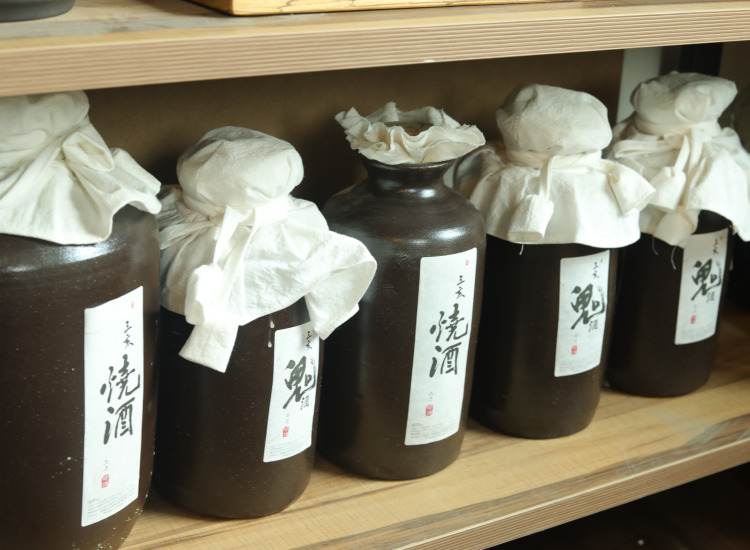

Not as famous as brandy and vodka, soju, Korea’s characteristic spirit, has surged to international popularity thanks to the Korean Wave (Hallyu) of K-Pop, Korean dramas, and Korean food. But today’s soju has evolved from its ancient origins through fascinating changes in distillation technologies. This talk looks at the origins of soju in Korea, highlighting the thirteenth-century steppe Mongols, who played the most crucial role in spreading spirits through different parts of Eurasia, including Korea. Armed with a relatively well-documented map of soju’s origin and propagation, Park explores the ways in which these distilled liquors and their changing technologies illuminate cross-cultural exchanges and evolve in response to local needs and tastes.
 A native of South Korea, Hyunhee Park completed her Ph.D. in History at Yale University and teaches at John Jay College of Criminal Justice and the Graduate Center of the City University of New York. Her first book, Mapping the Chinese and Islamic Worlds: Cross-Cultural Exchange in Pre-Modern Asia, explores medieval contacts and exchanges between the Islamic World and China. She is intrigued with technology generally and the cross-cultural contacts and transfers involved in the development of soju within the context of a global history of spirits.
To sip alongside of the presentation, Dr. Park notes that there are two kinds of soju: cheaper modern-industrial soju with around 20 percent of alcohol, and the revived traditional soju, with its higher alcohol content. The soju that made Korean soju famous globally in the twenty-first century is the mass-produced industrial soju, and she notes that many people love drinking this soju with Korean BBQ. 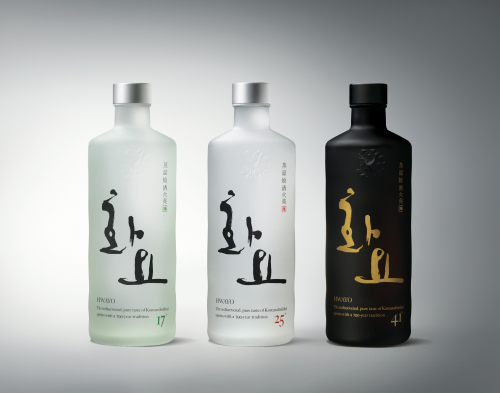 But spirits gourmets favor traditionally distilled soju with clean and delicate taste; Dr. Park recommends commonly available craft soju brands like Hwayo.
To eat with soju, Dr. Park notes that a piece of whipped cream cake, which seems an unfamiliar combination at first glance, is an unlikely but successful combination, saying, “if you drink a glass of soju and take a bite of the sweet whipped cream cake, the finish is neat. Eating pizza or fruit together while drinking soju is also recommended to ease the stomach.”